
You’re scrolling through your favorite creator’s Instagram story. They’re raving about a new skincare product, and at the bottom, in their bio link, it says “affiliate link.” Later, a friend in a side-hustle Discord group mentions they just got approved for a new “affiliate program.” You nod along, but a tiny part of your brain is asking, “Wait, what does affiliate actually mean in this context?” If you’ve ever felt that flicker of confusion, you’re not alone. This word has jumped from corporate boardrooms into our daily digital lives, and its meaning has gotten a lot more interesting.
In modern texting and online slang, “affiliate” most often means someone who earns a commission by promoting other companies’ products or services. It’s a business-casual term used by influencers, content creators, and side-hustlers to describe a partnership where they get paid for driving sales.
🧠 What Does Affiliate Mean in Text and Social Media?
At its core, the word “affiliate” comes from the Latin affiliare, meaning “to adopt as a son” or to connect. In today’s digital landscape, that connection is all about partnerships and promotions. When someone calls themselves an “affiliate,” they’re saying they have a formal or informal partnership with a brand.
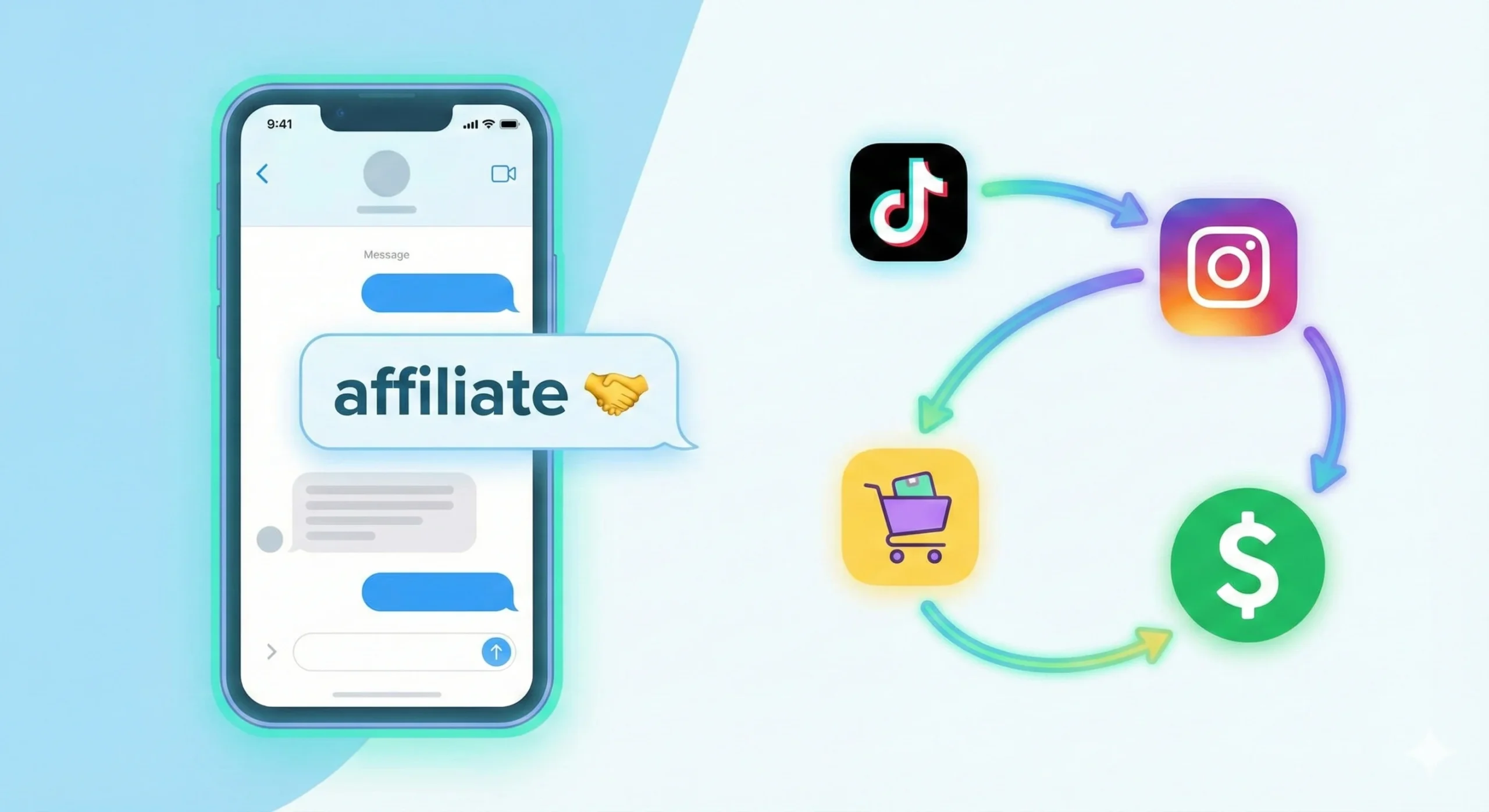
The process is simple: They share a unique link or a discount code. If you click that link and buy something, the affiliate gets a small percentage of the sale as a commission. It’s a win-win: the brand gets a sale they might not have otherwise, and the affiliate gets paid for their influence or marketing effort.
In short: Affiliate = A Promoter Partner = Earning a commission for referrals.
📱 Where Is “Affiliate” Commonly Used?
The term “affiliate” is everywhere online, especially on platforms built around content and community. It’s become a fundamental part of internet culture and the creator economy.
- 🤳 Social Media Platforms: This is the #1 spot you’ll see it.
- Instagram & TikTok: “Swipe up!” or “Link in bio!” often leads to an affiliate link.
- YouTube: Video descriptions are filled with “affiliate links” for gear, software, or products mentioned in the video.
- Pinterest: Idea pins and blog posts often contain affiliate links to recommended home decor, fashion, or recipes.
- 🛒 Blogs & Niche Websites: Review sites, “best of” lists, and hobby blogs use affiliate links to monetize their traffic and detailed content.
- 💬 Messaging Apps & Forums: In private groups (like Discord or Telegram) focused on entrepreneurship or specific hobbies, members often discuss which “affiliate programs” are the most lucrative.
- 🎮 Live Streaming: Twitch and YouTube Gaming streamers often have affiliate links to the PCs, chairs, and peripherals they use.
Tone & Formality: The term “affiliate” itself is business-casual. It’s not overly formal, but it’s also not pure slang like “GOAT” or “FR.” It’s a functional term used in a casual, online environment.
💬 Examples of “Affiliate” in Conversation
Let’s see how “affiliate” and its related terms pop up in real digital conversations.
- On a Tech Discord ServerA: Can anyone recommend a good web hosting service for a new blog?
B: I use Bluehost! It’s super beginner-friendly. Here’s my affiliate link if you want to check it out 😉 (It gives me a small coffee fund, no extra cost to you!) - Between Two InfluencersA: How are you monetizing your travel page?
B: I just became an Amazon affiliate, so I link to all the gear I pack. It’s a slow start but it’s adding up! - In an Instagram Story(Creator showing off a new dress): OBSESSED with this new dress from Brandy Mellville! Swipe up to get one for yourself 👆 #affiliate #ad
- A Text Between FriendsA: Hey, you’re always talking about that protein powder. Is it any good?
B: It’s amazing! I actually have a discount code. Use ‘FRIEND10’ at checkout. I’m an affiliate for them now, so it helps me out too! - In a YouTube Video Description📦 MY FILMING GEAR:
- Camera: [Link] (Affiliate)
- Microphone: [Link] (Affiliate)
- Lights: [Link] (Affiliate)
Thanks for supporting my channel through these links!
- In a Marketing SubredditPost Title: Just made my first $1000 from the ClickBank affiliate network. AMA!
- A Pinterest Pin Caption“10 Cozy Fall Sweaters You Need 🍂 (Swipe for links! Affiliate links included.)”
🕓 When to Use and When Not to Use “Affiliate”
Understanding the context is key to using the term correctly and ethically.
✅ When to Use “Affiliate”
- When Disclosing a Partnership: It’s legally and ethically required (by the FTC) to disclose when you’re using an affiliate link. Using the term is transparent and builds trust.
- In Entrepreneurial or Side-Hustle Conversations: When discussing online business models with peers.
- When Asking About Someone’s Income Streams: “Are you an affiliate for any of the brands you promote?” is a respectful way to ask.
- In Content Creation Communities: On platforms like YouTube, Twitch, or blogging forums where monetization strategies are commonly discussed.
❌ When Not to Use “Affiliate”
- In Urgent or Crisis Situations: It’s completely irrelevant. “The building is on fire, use my affiliate link for the best fire extinguisher!” is tone-deaf and inappropriate.
- In Highly Formal Corporate Emails: While “affiliate marketing” is a valid department, calling a colleague your “affiliate” would be strange. Use “partner” or “counterpart” instead.
- When Trying to Deceive People: Never hide the fact that you’re using an affiliate link. Transparency is crucial.
- In Everyday, Non-Commercial Chat: You wouldn’t text your mom, “Pass the salt, my little affiliate.” The term has a specific commercial context.
| Context | Example Phrase | Why It Works |
|---|---|---|
| Friend Chat (Casual) | “I’ll send you my affiliate link for that course so I can get a bit of credit!” | Transparent, casual, and explains the mutual benefit. |
| Professional Setting | “We are looking for marketing affiliates to promote our new software.” | Clear, industry-standard terminology for a business proposal. |
| Formal Disclosure | “This post contains affiliate links, which means I may earn a commission at no extra cost to you.” | Legally compliant, professional, and builds audience trust. |
🔄 Similar Slang Words or Alternatives
The world of online monetization has its own vocabulary. Here’s how “affiliate” compares to other related terms.
| Slang / Term | Meaning | When to Use |
|---|---|---|
| Ambassador | Often a more exclusive, long-term partnership. May involve free products and a flat fee, not just commission. | When the partnership is about brand representation beyond just links. |
| Influencer | A broader term for anyone with an audience that can influence purchases. They may be affiliates, or get paid via sponsorships. | When referring to the person’s role, not necessarily their payment model. |
| Partner | A very broad term. Can be used interchangeably with “affiliate” but also describes formal business partnerships. | A more general and sometimes more professional-sounding alternative. |
| Referral | Very similar to affiliate, but often used in service-based industries (e.g., SaaS, hosting) and between peers. | Common in B2B contexts or when sharing a personal link for a sign-up bonus. |
| Sponsor | A brand that pays for promotion, usually a fixed fee for a post or video, not based on sales performance. | When the payment is a flat fee for exposure, not a commission on sales. |
| #Ad or #Sponsored | A clear label indicating paid promotional content, which may or may not use an affiliate link. | The most direct way to disclose a paid sponsorship on social media. |
❓ FAQs About “Affiliate”
1. Is being an affiliate the same as being an influencer?
Not exactly. An influencer has an audience. An affiliate uses links to earn commissions. Many influencers use affiliate marketing, but not all affiliates are influencers (e.g., a niche blog can be an affiliate).
2. Do I pay more if I use an affiliate link?
Almost always, no. The commission comes out of the brand’s profit, not your pocket. Sometimes, affiliates even provide exclusive discount codes, saving you money.
3. Is “affiliate” a bad word?
Absolutely not! It’s a legitimate and popular business model. It only has a negative connotation if someone is being sneaky and not disclosing their links, which breaks trust and FTC guidelines.
💎 Conclusion
So, the next time you see “affiliate link” in a bio or hear a friend talk about their “affiliate program,” you’ll be in the know. This little word packs a big punch, representing a massive shift in how people build businesses, monetize their passions, and recommend products they genuinely love. It’s the engine behind much of the free content we enjoy online. By understanding what “affiliate” means, you’re not just learning a term—you’re understanding a key part of modern digital culture. Now you can spot the partnerships, appreciate the hustle, and maybe even consider starting your own affiliate journey

Andrew Jones is a digital content specialist, quotes writer, and education-focused author at Jinglas.com. He creates clear, engaging explainers on tech, online learning, and modern communication to help readers understand trends, slang, and digital tools with ease.