

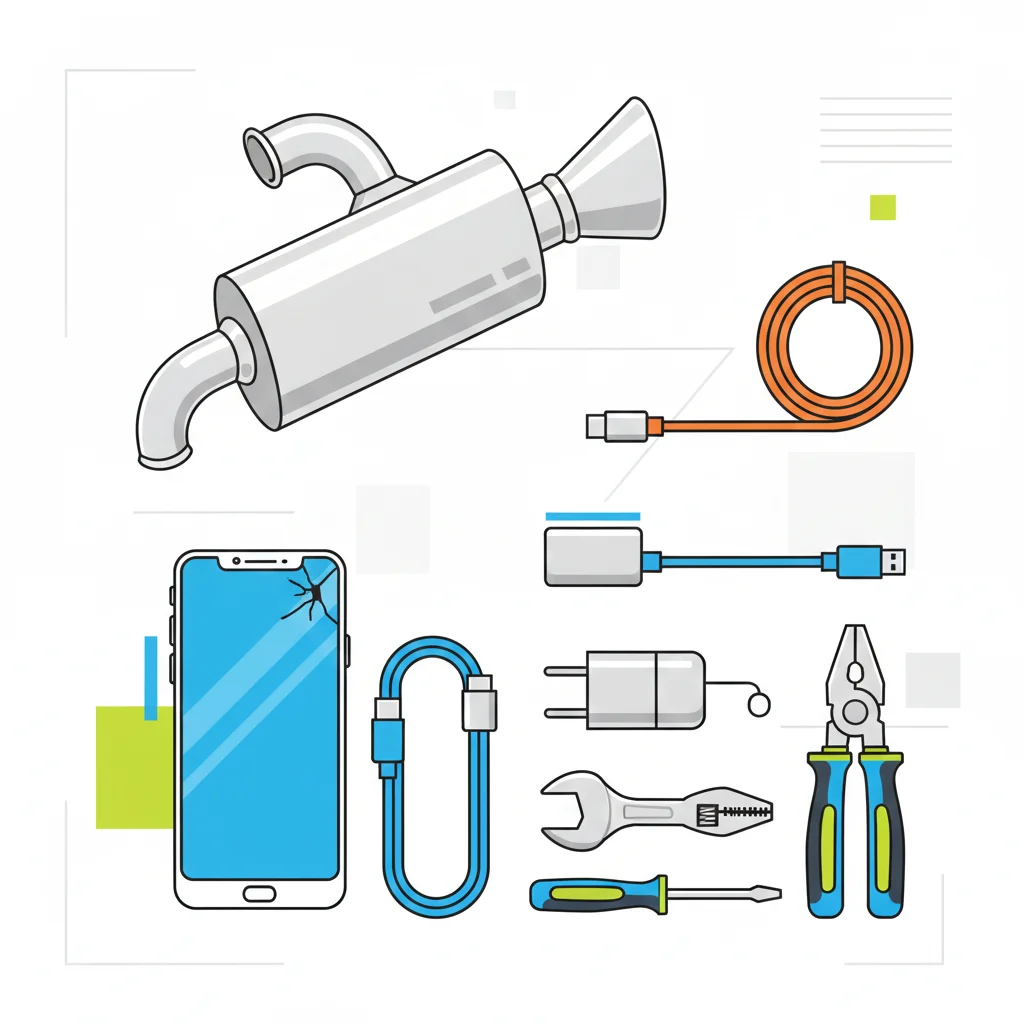
I still remember the first time someone texted me, “Bro, I’m getting an aftermarket one instead.” I stared at my phone, completely confused. Aftermarket WHAT? Was it slang? A joke? A fancy term for “later”? If you’ve ever seen the word aftermarket pop up in a chat, online review, TikTok video, or product listing and felt the same confusion — you’re not alone.
Let’s clear it up instantly:
“Aftermarket” means “non-original or third-party products made to replace or upgrade something.”
It’s a casual, everyday term used when talking about cars, phones, electronics, accessories, and other replaceable parts.
Now let’s dive deeper into what it means in texting and everyday use — with examples, do’s and don’ts, similar slang, and more.
🧠What Does “Aftermarket” Mean in Text?
When someone says aftermarket, they’re talking about a product, part, or accessory that did not come from the original manufacturer but is made by another company.
In simple words:
👉 Aftermarket = third-party replacement or upgrade.
It’s not slang in a flirty or emotional sense — it’s more of a practical, product-related term used in conversations about:
- cars
- bikes
- phones
- electronics
- computer parts
- accessories
- gaming gear
- machinery
Simple Example:
“Hey, I bought an aftermarket screen for my iPhone, it’s cheaper than the Apple one.”
Many people prefer aftermarket parts because they’re usually more affordable, customizable, and widely available.
In short:
Aftermarket = third-party product = non-original replacement or upgrade.
📱 Where Is “Aftermarket” Commonly Used?
You’ll see the term aftermarket mostly in places where people discuss parts, upgrades, or accessories.
🔧 Popular places where “aftermarket” is used:
- Texting & DMs 💬
- TikTok tech/car videos 🚗
- Snapchat chats
- Instagram product reviews
- YouTube repair channels
- Gaming gear discussions 🎮
- Car and bike communities
- Online marketplaces (Amazon, eBay, AliExpress)
🎭 Tone
- Casual
- Informational
- Non-flirty
- Not formal
- Not slangy in a humorous way
- Mostly product-related
It’s friendly and easy to use in everyday chat — but not for professional business emails.
💬 Examples of “Aftermarket” in Conversation
Here are 7 real, casual, text-style chat examples so you can see how people use the word naturally:
A: my phone screen cracked again 😭
B: just get an aftermarket one, much cheaper
A: u upgraded ur car?
B: yeah got an aftermarket exhaust 🤘
A: this charger stopped working 💀
B: try an aftermarket one, they’re like $10
A: ur keyboard looks diff
B: aftermarket keycaps lol
A: is this the original battery?
B: nah it’s aftermarket but works same
A: i want louder speakers in my bike
B: easy fix — get aftermarket ones
A: why is this so cheap?
B: bc it’s aftermarket not original
These examples show that the term is just casual, descriptive, and used when talking about products — nothing emotional, flirty, or coded.
🕓 When to Use and When Not to Use “Aftermarket”
✅ When to Use “Aftermarket”
Use it when talking about:
- car parts (exhaust, headlights, rims)
- electronics (screens, chargers, batteries)
- accessories (cases, straps, covers)
- gaming gear (controllers, keyboards, headsets)
- cheaper alternatives to the original
- product recommendations
- upgrades or modifications
❌ When Not to Use “Aftermarket”
Avoid using it when:
- the conversation is formal or professional
- you’re talking about health or medical items
- you’re sending an email to a company
- the product MUST be original (e.g., warranties)
- you’re unsure if aftermarket voids a warranty
- someone asked specifically for “original” or “OEM”
🔍 Comparison Table
| Context | Example Phrase | Why It Works |
|---|---|---|
| Friend Chat | “Get an aftermarket battery 🔋” | Friendly & casual |
| Tech Discussion | “Aftermarket parts are cheaper.” | Clear meaning |
| Car Group Chat | “Aftermarket rims look clean.” | Commonly used term |
| Work Chat | “Use a generic replacement part.” | More neutral |
| “Please use manufacturer-approved components.” | Professional & clear |
🔄 Similar Slang Words or Alternatives
| Term | Meaning | When to Use |
|---|---|---|
| OEM | Original equipment manufacturer | When referring to original branded parts |
| Third-party | Made by another company | When explaining replacements or alternatives |
| Generic | Non-brand version of a product | Budget-friendly options |
| Replica | Copy of the original | When talking about looks, not quality |
| Mod | Modification | When referring to car or tech upgrades |
| Custom | Personalized or upgraded | When something is tailor-made or modified |
❓FAQs About “Aftermarket”
1. Does aftermarket mean fake?
No. Aftermarket means non-original but real. Fake means counterfeit. Big difference!
2. Is aftermarket good or bad?
Depends. Some aftermarket parts are amazing and better than originals. Others are low-quality. Always check reviews.
3. Is “aftermarket” a slang word?
Not exactly — it’s more of a common product term used casually in conversation.
4. Is aftermarket cheaper?
Usually yes. That’s why people choose it.
5. Does aftermarket void warranty?
Sometimes. Depends on the product and manufacturer policies.
6. What’s better: OEM or aftermarket?
OEM = guaranteed fit
Aftermarket = cheaper and sometimes upgraded
7. Can I use aftermarket parts for my phone/car/laptop?
Yes, but make sure they’re compatible and from a good brand.
🔚 Conclusion
The word aftermarket might seem confusing at first, especially if you see it casually thrown around in texts, TikTok reviews, or tech discussions. But now you know exactly what it means:
👉 Aftermarket = any product or part made by a different company than the original manufacturer.
It’s a super common term when talking about electronics, cars, upgrades, repairs, and accessories — and it’s casually used in everyday chat. Whether you’re buying a new car exhaust, a cheaper phone screen, or a gaming accessory, aftermarket parts offer more options, more customization, and often lower prices.
Now you can confidently understand (and use!) the term like a pro. 🚗🔧📱

Andrew Jones is a digital content specialist, quotes writer, and education-focused author at Jinglas.com. He creates clear, engaging explainers on tech, online learning, and modern communication to help readers understand trends, slang, and digital tools with ease.