

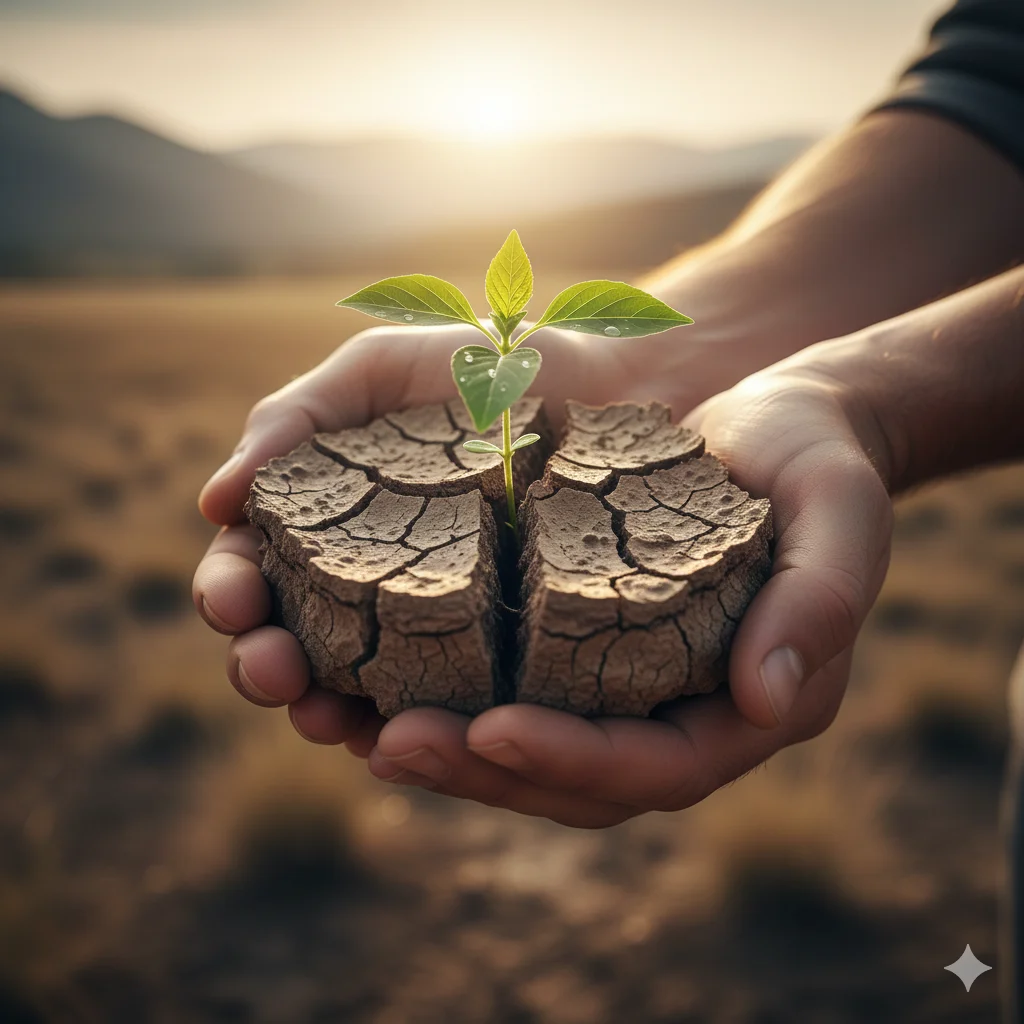
I’ll never forget the first time I truly grappled with the word “hardship.” I was in my early 20s, staring at a stack of student loan bills and a car that had just decided to quit on the highway. My dad listened to my frantic venting and said, calmly, “Everyone faces hardship; it’s how you handle it that defines you.” The word hung in the air. It felt heavy, formal, and a little intimidating. Was my car trouble a hardship? Was my financial stress? I felt confused about where everyday struggles ended and true hardship began. If you’ve ever wondered the same, you’re in the right place. Let’s demystify this powerful word together.
Hardship means “severe suffering or privation.” It’s a noun that describes a situation that is objectively difficult and painful to endure, often involving a lack of basic necessities, significant emotional distress, or severe misfortune.
🧠 What Does Hardship Actually Mean?
At its core, the meaning of hardship is about experiencing severe difficulty or adversity. It’s not just a minor inconvenience or a bad day. The dictionary defines it as a condition that is hard to endure, marked by suffering, deprivation, or oppression. Think of it as the heavy weight that life sometimes places on our shoulders—a weight that can feel overwhelming and can test our limits, resilience, and spirit.
A simple example sentence would be: “Losing his job and home in the same year was a significant hardship for him and his family.”
In short: Hardship = Severe Suffering & Privation = A deeply difficult and challenging life situation.
📚 Breaking Down the Types of Hardship
Hardship isn’t a one-size-fits-all concept. To truly understand what constitutes a hardship, it helps to see its different forms. These categories often overlap, compounding the challenge for the person experiencing them.
💸 Financial Hardship
This is one of the most common forms people think of. Financial hardship occurs when an individual or family cannot meet their basic needs due to a lack of financial resources.
- Examples: Job loss, overwhelming debt, bankruptcy, inability to pay for housing, food, or medical care.
- Impact: It creates constant stress and anxiety and can limit access to other essential resources.
🩺 Health-Related Hardship
This involves challenges related to physical or mental well-being, either for oneself or a loved one.
- Examples: A serious chronic illness, a debilitating injury, a mental health disorder, or becoming a caregiver for a sick family member.
- Impact: This can affect one’s quality of life, independence, and financial stability due to medical costs.
🏠 Socioeconomic and Environmental Hardship
These are hardships often tied to broader systemic or environmental factors beyond an individual’s immediate control.
- Examples: Living in poverty, experiencing homelessness, residing in a war zone, or being displaced by a natural disaster.
- Impact: These situations threaten safety, security, and access to fundamental human rights.
💔 Emotional and Personal Hardship
This category covers profound emotional pain and relational struggles.
- Examples: The death of a loved one (bereavement), a painful divorce, family estrangement, or social isolation.
- Impact: This can lead to grief, depression, loneliness, and a loss of personal identity.
🤔 Hardship vs. Adversity vs. Setback: What’s the Difference?
It’s easy to mix up these terms, but they exist on a spectrum of difficulty. Understanding the nuances can help you accurately describe your own experiences.
| Term | Meaning | Scope & Severity | Example |
|---|---|---|---|
| Setback | A minor problem that delays or hinders progress. | Temporary and manageable. A bump in the road. | “Missing the bus was a setback to my morning.” |
| Adversity | A state of continued difficulty or misfortune. | More serious and prolonged than a setback. | “Growing up in a neighborhood with few resources taught her how to face adversity.” |
| Hardship | Severe suffering or privation. | The most severe of the three. Involves genuine suffering. | “Fleeing their country as refugees was a tremendous hardship.” |
💡 Why Recognizing Hardship Matters
Acknowledging that you or someone else is facing a true hardship is not about playing the “pain Olympics.” It’s a crucial step for several reasons.
- Validating Your Feelings: Labeling an experience as a hardship validates the pain and stress you feel. It tells you that your reaction is normal and justified given the circumstances.
- Seeking Appropriate Help: Understanding the severity of your situation can empower you to seek the right kind of support, whether it’s financial aid, therapy, or community resources.
- Building Empathy: Recognizing hardship in others fosters deeper empathy and compassion, moving us beyond a simple “that’s too bad” to a more meaningful “how can I help?”
4444 Mean Spiritually: Why This Angel Sign Feels So Powerful
🛠️ How to Cope with Hardship: A Practical Guide
Facing a hardship can make you feel stuck. While there’s no magic wand, these strategies can provide a path forward and help you build resilience.
1. Acknowledge and Accept Your Reality
The first step is to stop minimizing what you’re going through. Say it out loud: “This is a hard situation. I am struggling.” Acceptance isn’t about giving up; it’s about clearly seeing the problem so you can begin to address it.
2. Seek Support and Build Your team
You do not have to go through this alone. Isolation amplifies hardship. Reach out to:
- Trusted friends and family.
- A licensed therapist or counselor.
- Support groups (in-person or online) for people in similar situations.
- Community organizations or religious groups.
3. Focus on What You Can Control
Hardship often makes us feel powerless. Break the cycle by identifying tiny, manageable things within your control. Can you control your illness? Maybe not. But can you control making one healthy meal today? Can you control reaching out to one friend? Yes. Small wins build momentum.
4. Practice Self-Compassion
Be as kind to yourself as you would be to a best friend in the same situation. You are allowed to be tired, sad, and frustrated. Hardship is not a test you are failing; it’s an experience you are surviving.
5. Find Meaning and Look for the “And”
It’s a cliché for a reason: post-traumatic growth is real. This doesn’t mean the hardship was good. It means you can learn from it. Try to frame your experience with “and.” For example: “Losing that job was devastating, and it forced me to pursue a career I actually love.” This simple word allows for complexity and hope.
🌟 Real-Life Examples of Hardship in Context
Let’s look at how the concept of hardship plays out in everyday conversations and situations.
Example 1: Financial Support
Friend A: “I’m so sorry I can’t make the trip this year. With the medical bills, it’s just not feasible.”
Friend B: “Don’t even worry about it. I completely understand. Let me know if there’s any other way I can support you through this hardship.”
Example 2: Immigration Story
Parent: “When we first moved here, we faced a lot of hardship. We didn’t know the language and worked multiple jobs, all so you could have these opportunities.”
Example 3: Academic Context
University Website: “The Office of Financial Aid provides assistance to students experiencing unforeseen financial hardship that may impact their ability to continue their studies.”
Example 4: Personal Resilience
Person A: “How are you so good at managing stress?”
Person B: “I guess you learn a lot about your own strength after you’ve weathered a few hardships.”
❓ FAQs About Hardship
1. What is the legal definition of hardship?
In legal contexts, “hardship” often refers to a condition of extreme suffering that justifies an exception. For example, an “undue hardship” for an employer might be an extremely costly accommodation for a disabled employee. “Financial hardship” can be a grounds for deferring loan payments.
2. Can emotional struggle be considered a hardship?
Absolutely. While often invisible, severe emotional and mental health struggles like clinical depression, PTSD, or profound grief constitute a significant personal hardship, impacting every aspect of a person’s life.
3. How is hardship different from stress?
Stress is a physiological and psychological response to a pressure or threat. Hardship is the objective, difficult situation itself. You can experience stress without a major hardship (e.g., work deadlines), and a hardship will almost always cause significant stress.
💭 The Final Word
So, what does hardship mean? It’s more than a dictionary entry. It’s a universal, albeit painful, part of the human experience. It’s the rough patch of road that shakes us to our core, but it doesn’t have to be the end of the journey. By defining it, understanding its forms, and learning healthy coping mechanisms, we transform hardship from an unconquerable monster into a difficult, but manageable, chapter of our lives. Remember, facing hardship isn’t a sign of weakness; surviving it is a testament to your strength.
Now I want to hear from you. What’s one small step you’ve taken to get through a tough time? Share your resilience story in the comments below! 👇

William Shakespeare was a legendary English playwright, poet, and storyteller whose works have shaped literature for centuries. Known for his timeless plays and sonnets, he continues to inspire writers, artists, and readers around the world with his mastery of language and storytelling.