

I’ll never forget my annual check-up a few years ago. The nurse did the usual tests, and a few days later, the doctor’s office called. “Your results are mostly fine,” they said, “but we found a trace of protein in your urine. We should keep an eye on it.” My heart sank. Protein in my urine? My mind immediately jumped to the worst-case scenarios. Was it my kidneys? Was I seriously ill? I spent the next few days in a quiet panic, scouring the internet with more fear than understanding. If you’ve just gotten similar news or are simply curious, let’s demystify this together. It’s a sign worth understanding, but it’s not always a cause for alarm.
Having protein in your urine, a condition called proteinuria, means your kidneys’ filters are allowing a vital nutrient, protein, to leak out of your blood and be wasted in your urine. It can be a temporary, harmless issue caused by factors like dehydration or stress, or it can be a key indicator of underlying kidney disease or other health conditions that need medical attention.
What Does Protein in Urine (Proteinuria) Actually Mean?
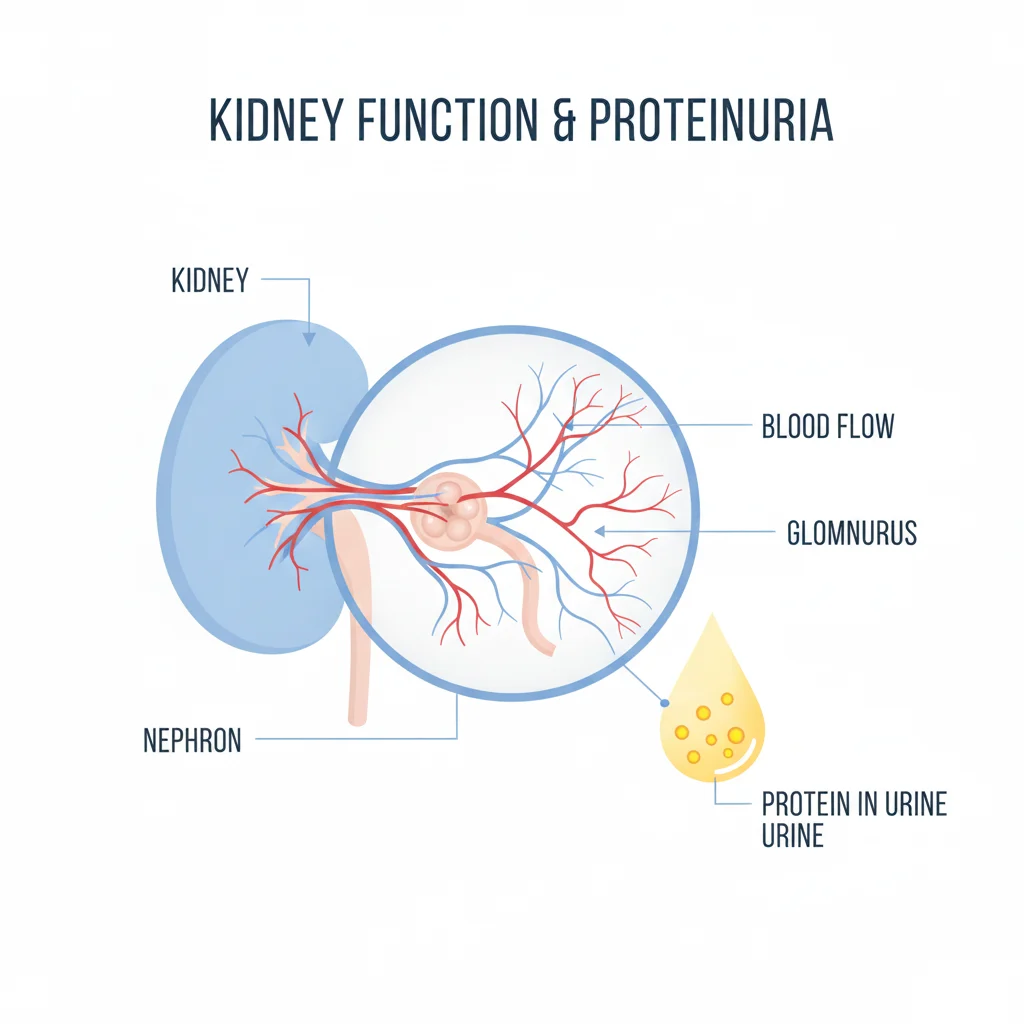
To understand proteinuria, you first need to know the incredible job your kidneys do. Think of them as your body’s most sophisticated, 24/7 filtration system. Each kidney contains about a million tiny filters called glomeruli. Their job is to clean your blood, removing waste products and extra water to make urine, while keeping important things in your blood—like red blood cells and, you guessed it, protein.
Proteins, especially a large one called albumin, are essential building blocks for your muscles, bones, hair, and hormones. They are too big to normally pass through a healthy kidney’s filter. When these filters are damaged or under intense stress, they can develop tiny “leaks,” allowing protein to escape into the urine.
In short: Protein in Urine = Proteinuria = A potential sign of leaky kidney filters.
How Do Doctors Test for Protein in Urine?
Discovering proteinuria isn’t something you can typically feel; it’s usually detected through simple, non-invasive tests.
- Urine Dipstick Test: This is the most common initial screening. A chemically treated strip is dipped into a urine sample. If protein is present, the strip changes color. Results are often reported as trace, 1+, 2+, etc., indicating increasing amounts.
- 24-Hour Urine Collection: For a more precise measurement, your doctor may ask you to collect all your urine for a full 24-hour period. This test quantifies the exact amount of protein lost, providing a clearer picture of kidney function.
- Urine Albumin-to-Creatinine Ratio (UACR): This is a more sensitive test that uses a single urine sample to compare the amount of albumin to the amount of creatinine (a waste product). It’s a highly accurate way to spot even small amounts of leakage, known as microalbuminuria.
Common Causes of Protein in Urine: From Temporary to Serious
Proteinuria isn’t a disease itself; it’s a symptom. The causes range from easily reversible to chronic conditions requiring long-term management.
🚰 Temporary (Transient) Causes
These are usually harmless and resolve on their own.
- Dehydration: Concentrated urine from not drinking enough water can show a false-positive protein reading.
- Fever or Extreme Stress: Physical stress can temporarily affect kidney function.
- Strenuous Exercise: Intense athletic activity can cause short-term proteinuria.
- Cold Exposure
🧂 Functional Causes
These are due to other bodily stresses that, when resolved, fix the proteinuria.
- High-Salt Diet
- Heart Failure
- Acute Illness
🩸 Persistent (Pathological) Causes
These indicate potential damage to the kidneys themselves and require medical investigation.
- Diabetes: The leading cause of kidney disease. High blood sugar can damage the delicate kidney filters over time.
- High Blood Pressure (Hypertension): Uncontrolled high pressure can strain and harm the blood vessels in the kidneys.
- Glomerulonephritis: Inflammation of the kidney filters.
- Chronic Kidney Disease (CKD)
- Preeclampsia: A serious condition in pregnant women characterized by high blood pressure and protein in the urine.
- Infections: Like a urinary tract infection (UTI), can cause inflammation and temporary protein leakage.
- Certain Medications: Some drugs can be hard on the kidneys.
- Autoimmune Diseases: Lupus, for example, can attack the kidneys.
What Are the Symptoms of Proteinuria?
Often, there are no obvious symptoms, especially in the early stages. This is why it’s called a “silent” sign. When protein loss becomes severe, symptoms may include:
- Foamy or Bubbly Urine: This is the most common visual clue. The protein changes the surface tension of the urine, creating persistent foam, like the head on a beer.
- Swelling (Edema): Protein in your blood helps hold fluid inside your blood vessels. When protein leaks out, fluid can seep into your tissues, causing swelling in your hands, feet, ankles, abdomen, or face, especially around the eyes.
- Unexplained Weight Gain: Due to fluid retention.
- Fatigue and General Malaise
- Frequent Urination
Who Is Most at Risk for Developing Proteinuria?
Certain groups of people should be particularly mindful of their kidney health and may be screened more regularly.
- Individuals with Diabetes
- People with High Blood Pressure
- Those with a Family History of Kidney Disease
- Older Adults (over 65)
- Certain Ethnicities: African Americans, Hispanic Americans, Asian Americans, and Native Americans have a higher risk.
- People who are Overweight or Obese
How Is the Underlying Cause Diagnosed?
If your initial test shows protein, your doctor won’t stop there. They will act like a detective to find the root cause. The diagnostic process may involve:
- A Detailed Medical History: Discussing your health, family history, and any symptoms.
- A Physical Exam: Checking for swelling and measuring your blood pressure.
- Follow-up Urine Tests: To confirm the finding isn’t temporary.
- Blood Tests: Checking your levels of creatinine and Blood Urea Nitrogen (BUN) to assess how well your kidneys are filtering waste.
- Imaging Tests: An ultrasound of your kidneys to look for structural problems.
- Kidney Biopsy: In some cases, a tiny sample of kidney tissue may be needed for a definitive diagnosis.
Potential Treatment Options and Management Strategies
Treatment is entirely focused on the underlying cause. The goal is to control the condition damaging the kidneys and to reduce the amount of protein spilling into the urine.
- For Diabetes: Meticulous blood sugar control is paramount.
- For High Blood Pressure: Using medications like ACE inhibitors or ARBs, which are particularly good at protecting the kidneys and reducing proteinuria.
- Lifestyle Modifications: This is a cornerstone of management.
- Dietary Changes: Adopting a kidney-friendly diet, often low in salt and processed protein.
- Regular Exercise
- Maintaining a Healthy Weight
- Smoking Cessation
- Limiting Alcohol Intake
- Treating the Specific Kidney Disease: Conditions like glomerulonephritis may require specific medications like steroids or immunosuppressants.
Can You Prevent Protein in Your Urine?
While you can’t prevent all causes, you can significantly reduce your risk by protecting your kidney health.
- Stay Hydrated: Drink plenty of water throughout the day.
- Manage Chronic Conditions: Keep your blood sugar and blood pressure in their target ranges.
- Get Regular Check-ups: Annual physicals with urine testing are crucial for early detection.
- Use Medications Wisely: Follow dosage instructions and be aware of potential side effects.
- Maintain a Healthy Lifestyle: Eat a balanced diet and exercise regularly.
When Should You See a Doctor?
Don’t ignore the signs. You should schedule an appointment with your healthcare provider if you notice:
- Persistently foamy or bubbly urine.
- New or worsening swelling in your limbs or face.
- You have risk factors (like diabetes or high blood pressure) and haven’t had a urine test in over a year.
Seek immediate medical attention if this foamy urine is accompanied by a sudden change in urination, severe swelling, shortness of breath, or confusion.
FAQs About Protein in Urine
1. Can dehydration cause protein in urine?
Yes, temporary dehydration is a common cause of a transient positive dipstick test. It usually resolves once you are well-hydrated.
2. Is a small amount of protein in urine normal?
A very tiny amount can be normal, but any consistent reading above trace levels is considered abnormal and warrants further investigation by a doctor.
3. Can protein in urine be cured?
It depends on the cause. If it’s due to a temporary condition like dehydration, it goes away. If it’s from a chronic disease like diabetes, it can often be managed and reduced effectively with proper treatment, protecting your long-term kidney function.
Conclusion:
Finding out you have protein in your urine can be unsettling, as it was for me. But now you know it’s not a diagnosis in itself—it’s a vital clue. It’s your body’s way of sending up a signal flare, asking for attention. Whether it’s a simple fix like drinking more water or a call to manage a chronic condition more aggressively, understanding “what does it mean to have protein in your urine” is the first and most powerful step toward taking control of your health. Don’t panic, but do take it seriously. Talk to your doctor, ask questions, and become an active partner in your own well-being. Your kidneys are working hard for you; they deserve a little investigative care in return.

Charles Dickens was a legendary English novelist and social commentator known for his timeless storytelling and deep understanding of human nature. His works continue to inspire writers and readers worldwide, shaping literature, culture, and modern narrative craft.