
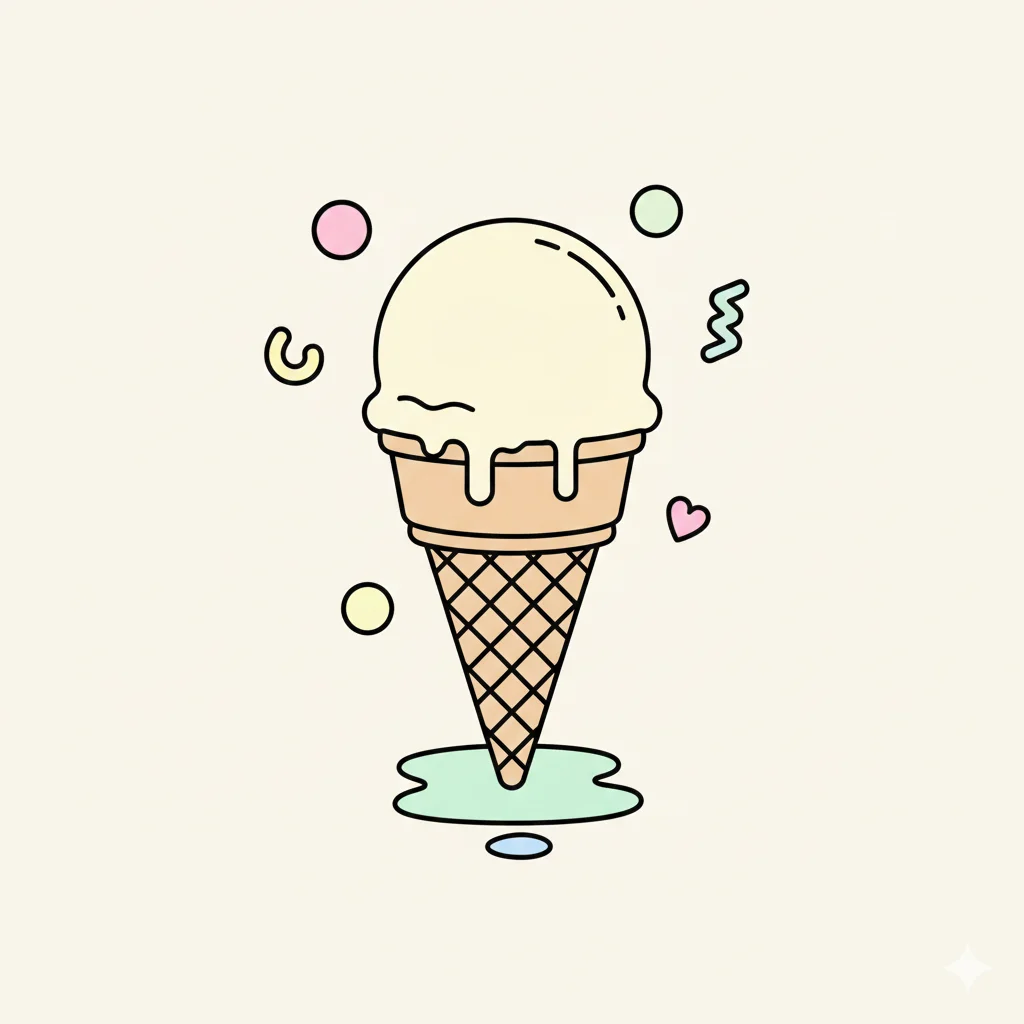
I still remember the first time I saw someone comment “your fit is kinda vanilla ngl” under a TikTok video. I thought they were talking about ice cream — and for a solid minute, I sat there wondering if vanilla was secretly an insult or a compliment. Spoiler: it was neither… but also kind of both.
“Vanilla” is one of those internet slangs that seems cute but hides a little playful judgment behind it. If you’ve ever been called “vanilla,” don’t panic — it usually means someone thinks you’re keeping things safe or predictable.
“Vanilla” means “basic or plain.”
It’s a playful, teasing, casual way of saying someone’s style, choices, or behavior is simple, predictable, or not extra.
🧠 What Does “Vanilla” Mean in Text?
In texting and social media slang, “vanilla” describes something basic, simple, or not bold. It’s not usually an insult — more like a fun, lighthearted way to say someone is playing it safe.
People use it for:
- outfits
- personalities
- playlists
- opinions
- aesthetics
- food choices
- behavior
Example:
“Bro your coffee order is so vanilla 😭”
In short:
Vanilla = Basic = Simple, predictable, not extra.
📱 Where Is “Vanilla” Commonly Used?
You’ll see “vanilla” everywhere online, especially where aesthetics and opinions matter.
Most common platforms:
- TikTok — outfit, aesthetic, and vibe ratings
- Instagram — comments on style and minimal looks
- Snapchat — describing personalities or simple behavior
- Twitter/X — joking about opinions and takes
- Texting/DMs — playful teasing between friends
- Discord/Gaming chats — used to roast someone lightly
- YouTube comment sections — opinions on music and creators
Tone Level:
- Formal? ❌ No
- Casual? ✅ Yes
- Teasing/Joking? ✅ Often
- Flirty? 😏 Sometimes — when someone calls another person “too vanilla”
💬 Examples of “Vanilla” in Conversation
Here are 7 realistic chat-style examples:
1.
A: what coffee u getting?
B: vanilla latte
A: bro u so vanilla 💀
2.
A: my spotify wrapped is out
B: bet it’s super vanilla 😭
3.
A: i wanna try a new hairstyle
B: pls no more vanilla cuts 😭 go bold
4.
A: let’s order wings
B: mild pls
A: u rly a vanilla human being
5.
A: i like plain cheese pizza
B: your taste is sooooo vanilla 💀
6.
A: i’m thinking of wearing jeans + white tee
B: classic… and very vanilla
7.
A: choosing safe options again 😭
B: sorry it’s the vanilla in me
🕓When to Use and When Not to Use “Vanilla”
✅ When to Use “Vanilla”
- teasing a close friend
- joking about someone’s simple choices
- describing minimal aesthetic
- light, casual conversations
- rating style or opinions
- joking in a playful roast
❌ When NOT to Use “Vanilla”
- formal situations
- professional work chats
- serious or sensitive conversations
- with strangers (might come off rude)
- when someone is insecure about their style
Comparison Table
| Context | Example Phrase | Why It Works |
|---|---|---|
| Friend Chat | “ur playlist is so vanilla 😂” | Casual, playful teasing |
| Work Chat | “Let’s keep this design simple.” | Clear & professional, no slang |
| School/Group | “Maybe try something bolder?” | Polite suggestion |
| “Please review the attached file.” | Formal & neutral | |
| Social Media | “cute fit but a little vanilla!” | Light commentary, friendly tone |
🔄 : Similar Slang Words or Alternatives
| Slang | Meaning | When to Use |
|---|---|---|
| Basic | Predictable, common | When describing trends or mainstream choices |
| Dry | Boring, lacking excitement | For conversations or personalities |
| Safe | Not risky or bold | When someone avoids trying something new |
| Mid | Average, not impressive | Rating music, outfits, or opinions |
| Soft | Gentle, harmless, mild | Describing behavior or aesthetic |
| Chill | Relaxed, easygoing | When you want a positive alternative |
✨ Is “Vanilla” an Insult or a Compliment?
“Vanilla” is usually not meant to be harsh — it’s a playful roast.
Context decides whether it feels cute or rude.
It can feel like a compliment when:
- someone likes simple aesthetics
- minimalism is part of the vibe
- being soft or safe suits the person
It can feel like an insult when:
- said aggressively
- used to make someone feel uncool
- comparing someone to others in a negative way
🎨 How “Vanilla” Is Used for Aesthetics
Online, “vanilla” has become a full aesthetic category.
Vanilla Look Includes:
- neutral colors
- minimal makeup
- simple outfits
- soft, clean vibes
- non-bold hairstyles
- predictable/classic combos
Used in sentences:
- “She has that vanilla aesthetic — clean & simple.”
- “His room setup is very vanilla but cute.”
👗 Examples of Things People Call “Vanilla” Online
- plain jeans + white shirt outfits
- basic coffee orders
- soft playlists
- safe hairstyles
- minimalist room setups
- predictable fashion choices
- chill personalities
- classic mainstream opinions
🤔 Why Do People Use “Vanilla” So Much Now?
“Vanilla” became popular because:
- TikTok loves aesthetic labels
- minimalism is trending
- it’s a harmless roast
- it’s easy to understand
- it’s fun to say
- it fits comment culture
It’s a short word that carries a vibe, not just meaning.
❓FAQs About “Vanilla”
1. Is “vanilla” rude?
Only if said in a mean tone — usually it’s just playful.
2. Does “vanilla” mean boring?
Sometimes, yes. But more often it means simple or safe, not boring.
3. Can “vanilla” be a compliment?
Yes! It can mean clean, minimal, or aesthetically simple.
4. Should you use it with strangers?
No — it might be misunderstood.
5. Is “vanilla” the same as “basic”?
They’re similar, but “vanilla” is softer and more playful.
🏁 Conclusion
“Vanilla” in texting and social media doesn’t mean ice cream — it’s a fun slang word people use to describe something simple, predictable, safe, or basic. It’s usually meant as a gentle tease, not an insult. Whether it’s your playlist, outfit, or personality, being “vanilla” just means you’re keeping things soft and minimal — which absolutely doesn’t have to be a bad thing.
It’s casual, friendly, and super common across TikTok, Snapchat, and Insta. Now that you know what it means, you’ll instantly get the vibe whenever someone uses it… and you might even use it yourself.
Freya Huge is a digital writer and content strategist known for her clear, relatable explainers on modern slang, online culture, and everyday communication. She blends creativity with research to help readers understand trends and express themselves confidently.