

You’re scrolling through a fitness influencer’s feed, and you see a post: “Pushing for those vascular gains! 💪” The photo shows their arm with ropes of veins snaking down their bicep. You pause. “Vascular?” you think. “Is that a new slang for being super fit? Like ‘swole’ or ‘ripped’?” You feel a little out of the loop. If you’ve ever been confused by this term, you’re not alone. While it’s popping up more in gym culture and online forums, “vascular” isn’t actually text slang—it’s a powerful medical and anatomical term that has crossed over into everyday language. Let’s demystify it.
“Vascular” is not an acronym or slang term. It’s an adjective that describes anything related to blood vessels, like veins and arteries. In casual contexts, like fitness, it often means “having very visible veins.”
🧠 What Does Vascular Mean? The Core Definition
Let’s cut through the confusion right away. Unlike most terms we cover, “vascular” isn’t a piece of internet shorthand like “SMH” or “FR.” It’s a legitimate English word with roots in Latin (vasculum, meaning “small vessel”). In the simplest terms, the vascular meaning is directly tied to the body’s network of tubes that carry blood.
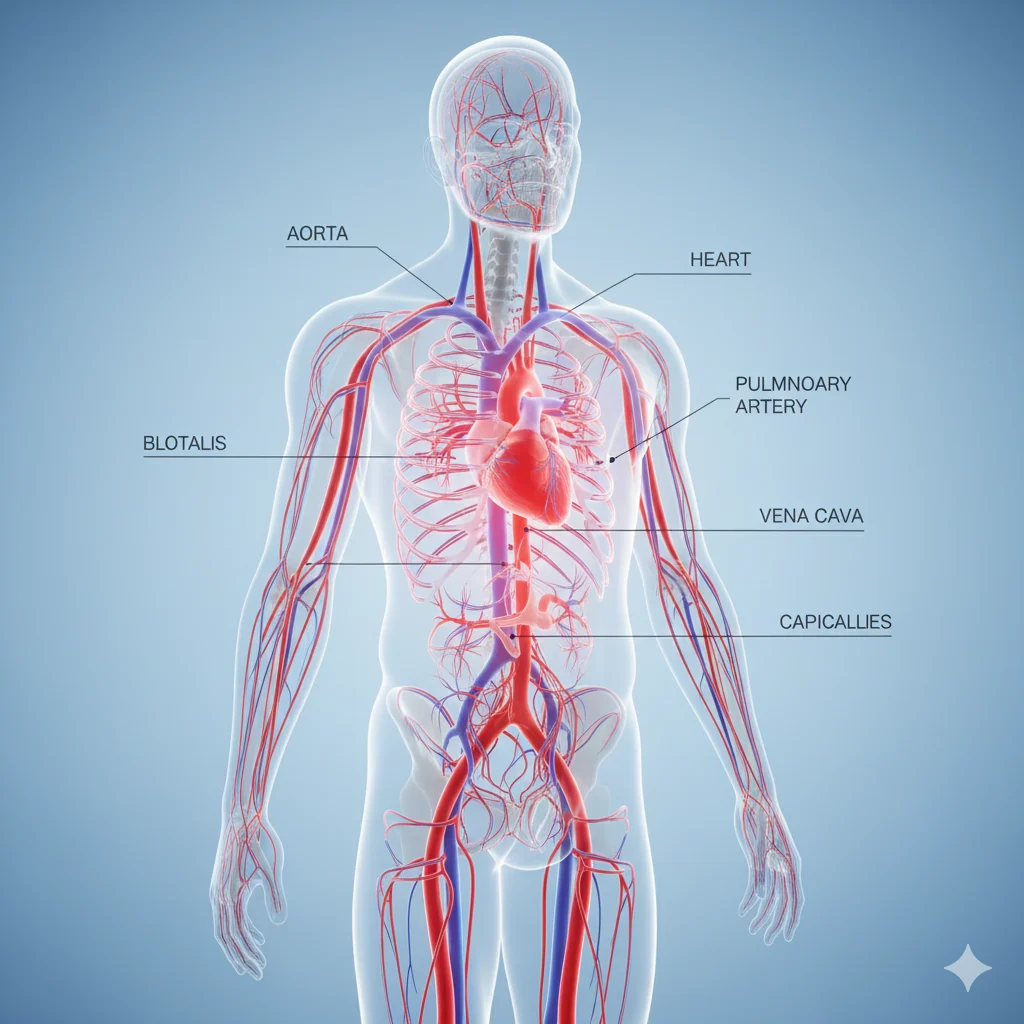
When we talk about the vascular system, we’re referring to the circulatory system, which includes:
- Arteries: Carry oxygen-rich blood away from the heart.
- Veins: Carry oxygen-depleted blood back to the heart.
- Capillaries: Tiny vessels connecting arteries and veins, where oxygen and nutrient exchange happens.
So, if a doctor says a patient has “vascular disease,” they mean a condition affecting these blood vessels, such as clogged arteries. If a bodybuilder is described as “very vascular,” it means their veins are prominent and highly visible under the skin, often due to low body fat and increased blood flow.
In short: Vascular = Relating to Blood Vessels = Having visible veins.
📚 The Deeper Meaning: Vascular System Explained
To truly grasp what does vascular mean, it helps to picture it. Your vascular system is your body’s incredibly complex superhighway. This blood vessel network stretches over 60,000 miles if laid end-to-end—enough to circle the globe more than twice! Its primary function is transportation, delivering life-giving oxygen and nutrients to every single cell while carting away waste products like carbon dioxide. Understanding this cardiovascular system connection is key; while “cardiovascular” specifically includes the heart (cardio), “vascular” focuses on the vessel pathways themselves. This intricate anatomy of circulation is fundamental to life.
🏋️ Where Is “Vascular” Commonly Used?
While it’s a scientific term, you’ll encounter “vascular” in a few key areas, both formal and casual.
- 🏥 Medical & Clinical Settings: This is its primary home. You’ll hear it in hospitals, clinics, and from healthcare professionals.
- Vascular surgery
- Vascular health
- Vascular disease (e.g., Peripheral Artery Disease)
- 💪 Fitness & Bodybuilding Communities: This is where its casual use has exploded. It’s a sign of peak physical conditioning.
- Social media captions (Instagram, TikTok)
- Gym forums and subreddits (e.g., r/bodybuilding)
- Fitness supplement marketing
- 🌿 Health & Wellness Blogs: Discussing topics like improving circulation or vascular health through diet and exercise.
- 🎓 Biology & Education: In textbooks and classrooms teaching human anatomy.
It is not typically used in casual texting between friends unless you’re specifically talking about fitness or a medical appointment. In those contexts, it’s considered descriptive but still retains its technical flavor.
💬 Examples of “Vascular” in Conversation
Let’s see how this word is used in real-life scenarios, from the gym to the doctor’s office.
In a Fitness Context:
A: Dude, your arms look insane in that new pic.
B: thanks man! finally starting to get vascular after cutting down my body fat. 💦
On Social Media:
Post: Nothing like a killer arm day pump. Feeling super vascular! #Fitness #Gains #Vascularity
In a Medical Context:
Doctor: Based on your family history, we need to keep a close eye on your vascular health.
Patient: What can I do to improve it?
Casual Chat About Health:
A: My hands are always so cold.
B: You might have poor circulation. Maybe look into ways to support your vascular system?
Comparing Fitness Progress:
A: I can see the veins in my forehead when I lift heavy now. 😅
B: That’s the dream! That means you’re getting vascular.
✅ When to Use and When Not to Use “Vascular”
Understanding the context is crucial for using this word correctly.
✅ When to Use “Vascular”
- In Medical Discussions: When talking with a doctor or about a health condition.
- In Fitness Settings: When describing your own physique or someone else’s in a gym or bodybuilding context.
- In Educational or Scientific Writing: When explaining biological processes.
- When Being Technically Descriptive: Even casually, if you’re trying to accurately describe visible veins.
❌ When Not to Use “Vascular”
- As General Slang: Don’t use it to replace words like “cool” or “awesome.”
- In Most Casual Text Conversations: It will sound out of place and overly clinical.
- To Describe Someone Who Isn’t in Fitness/Health Circles: Calling a random person “vascular” would be strange and potentially offensive.
- In Formal Writing Unrelated to Science/Health: Stick to simpler terms like “veiny” or “circulatory” if more appropriate.
Contextual Usage Table
| Context | Example Phrase | Why It Works |
|---|---|---|
| Friend at the Gym | “Your arms are looking so vascular after that cut!” | Casual, specific to the fitness context, and understood as a compliment. |
| Doctor’s Office | “We need to schedule a vascular screening.” | Professional, precise, and clinically accurate. |
| Health Blog | “Foods that improve your vascular function.” | Educational and uses the correct anatomical term for authority. |
| Describing a Non-Fitness Person | “His forearms are vascular from years of manual labor.” | Descriptive and accurate, based on observation rather than gym culture. |
🔄 Similar Terms or Alternatives
“Vascular” is quite specific, but here are some related words and their nuances.
| Slang / Term | Meaning | When to Use |
|---|---|---|
| Veiny | Having prominent veins. | A more casual, everyday alternative to “vascular.” Can be used outside of fitness. |
| Ripped / Swole | Having well-defined, large muscles. | General gym slang for a muscular physique. “Vascular” is often a result of being ripped. |
| Shredded | Having very low body fat, making muscles highly defined. | A step beyond “ripped,” often implying high vascularity. |
| Circulatory | Relating to the circulation of blood. | A broader, slightly less technical synonym for vascular in a health context. |
| Pumped | Temporarily enlarged muscles due to increased blood flow during a workout. | The temporary state that often makes vascularity more visible. |
❓ FAQs
1. What is a simple vascular definition?
In simple terms, vascular refers to anything related to your blood vessels (veins and arteries). When someone says a person looks vascular, they mean their veins are very visible.
2. Is being vascular a good thing?
In fitness, it’s often seen as a sign of low body fat and good muscle definition. For health, healthy blood vessels are crucial, but sudden, significant changes in vascularity can sometimes indicate a medical issue like high blood pressure.
3. What is the difference between vascular and cardiovascular?
Vascular refers specifically to the blood vessels. Cardiovascular includes both the blood vessels (vascular) and the heart (cardio).
4. What is a vascular doctor called?
A doctor who specializes in the vascular system is called a vascular surgeon or a vascular medicine specialist.
5. Can you improve your vascular health?
Absolutely. Regular exercise, a balanced diet low in saturated fats, not smoking, and managing blood pressure and cholesterol all contribute to excellent vascular and circulatory health.
6. What does the vascular system do?
The vascular system’s function is to transport blood throughout the body, delivering oxygen and nutrients to tissues and removing waste products.
7. What is vascular disease?
Vascular disease is any condition that affects this network of blood vessels, such as atherosclerosis (clogged arteries) or peripheral artery disease.
💎 Conclusion:
So, what does vascular mean? It’s far more than just a gym-bro compliment. It’s a foundational term that describes the very highways of life within us—our intricate network of blood vessels. While it’s been adopted by fitness communities to describe a coveted physical aesthetic, its true importance lies in its medical and biological significance. Understanding this term gives you insight into everything from a bodybuilder’s physique on Instagram to a serious conversation with a cardiologist about heart and vein health. The next time you see it, you’ll know it’s not a passing slang trend but a word with deep roots and critical meaning for our overall well-being.

Freya Huge is a digital writer and content strategist known for her clear, relatable explainers on modern slang, online culture, and everyday communication. She blends creativity with research to help readers understand trends and express themselves confidently.