

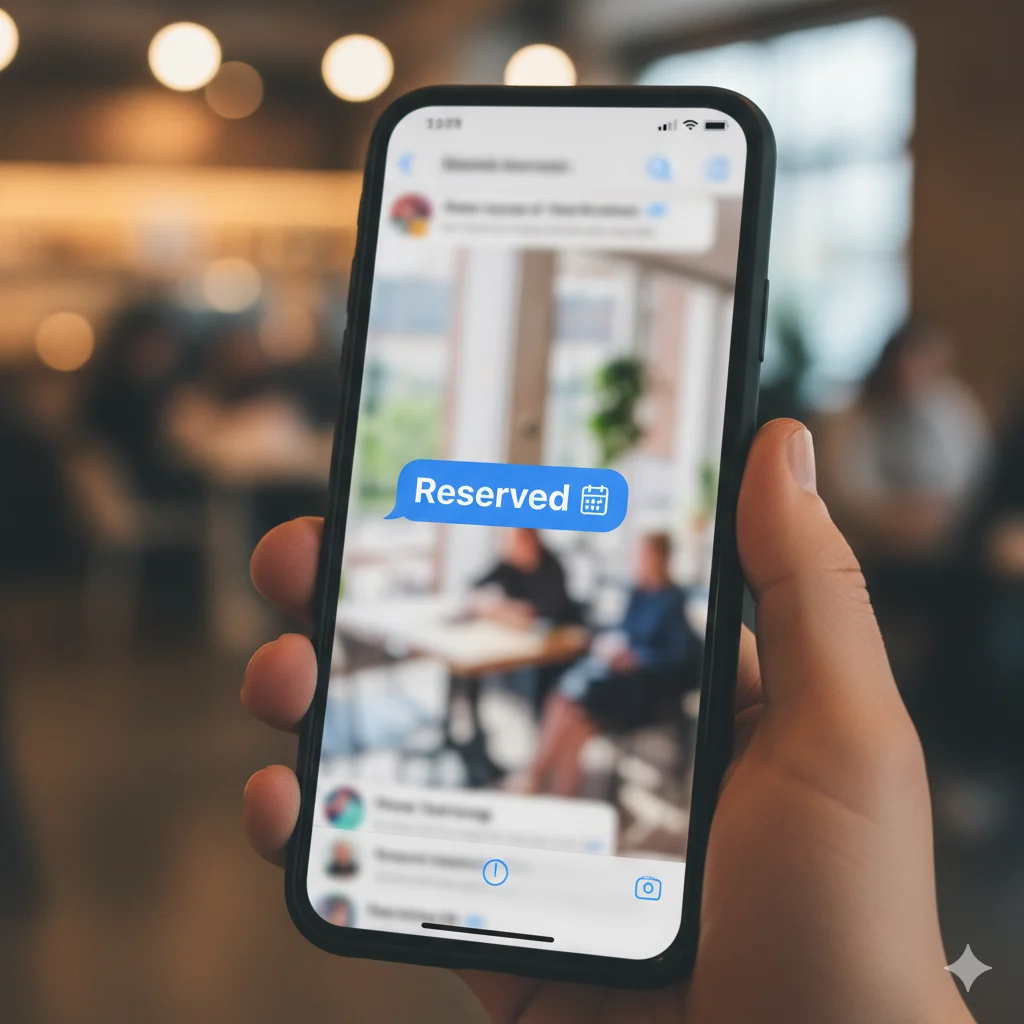
In texting and social media, calling someone “reserved” typically means they are quiet, private, or slow to open up emotionally. It describes a personality trait, not a temporary state. It’s a neutral-to-observational way to describe someone’s social behavior.
You’re scrolling through a group chat, and someone mentions the new person at work: “Yeah, he seems nice, just a bit reserved.” Or maybe you’re on a subreddit discussing a celebrity, and a fan writes, “She’s always been so reserved about her personal life.” You get the gist—it’s not like deciphering “SMH” or “FR”—but something feels… fuzzy. What does it really mean to be “reserved” in today’s hyper-shared world? Is it a compliment, a polite critique, or just a simple observation? If you’ve ever wondered how this classic personality descriptor translates into digital speak, you’re in the right place. Let’s unravel the quiet mystery of what it means to be reserved.
🧠 What Does “Reserved” Mean in Text & Social Media?
In the context of texting, social media, and casual conversation, calling someone “reserved” means they are generally quiet, private, and thoughtful in social settings. They tend to hold back their thoughts, feelings, and personal information until they feel comfortable or until it’s necessary to share.
Unlike words like “shy” (which can imply nervousness) or “antisocial” (which has a negative connotation), “reserved” is often used as a neutral or even respectful observation. It suggests a person is a careful listener, values their privacy, and doesn’t feel the need to be the center of attention. In the world of constant oversharing, being called reserved can sometimes be a badge of intriguing mystery.
In short: Reserved = Quiet & Private = Someone who thinks before they speak and shares selectively.
📱 Where Is “Reserved” Commonly Used?
The term “reserved” pops up wherever people are discussed—which is basically everywhere online! It’s less of a fleeting slang term and more of a stable personality descriptor used across platforms.
- 💬 Group Chats & DMs: Used to discuss mutual friends, dates, or colleagues. (“How was your date?” “Good! She was smart but kind of reserved.“)
- 👥 Facebook & Instagram Comments: In discussions on public figures or in community groups. (“The actor is so reserved in interviews, I love it.“)
- 🗯️ Reddit & Forums: Heavily used in relationship advice subs, workplace stories, and celebrity gossip threads. (“My coworker is very reserved, how do I connect with them?“)
- 💼 Professional Networks like LinkedIn: Used in recommendations or profiles in a positive light (e.g., “A reserved but highly effective leader“).
- 📝 Dating App Profiles: People often self-describe as “reserved” to indicate they are looking for deeper connections or are introverted.
Tone: It’s social-media-friendly and can be used in semi-formal to casual contexts. It’s not typically used as direct slang (like “bet” or “cap”) but as a descriptive adjective.
💬 Examples of “Reserved” in Conversation
Let’s see how “reserved” flows in real digital conversations.
Example 1: Discussing a New Friend
A: Met Sam from the yoga class for coffee.
B: Ooo, how was it??
A: Really nice! Super smart. A bit reserved at first, but opened up after a while.
Example 2: Work Chat
A: How’s the new intern working out?
B: Great! She’s quiet and reserved, but her work is flawless.
Example 3: Dating App Follow-Up
A: How was the vibe with Alex?
B: Good conversation. He’s more reserved than his pics suggested, but in a sweet way.
Example 4: Online Gaming/Community
Player 1: Is the guild leader always that quiet?
Player 2: Yeah, he’s pretty reserved. Doesn’t talk much in voice chat but is a legend in raids.
Example 5: Analyzing a Public Figure
Fan 1: I wish she’d do more fun interviews.
Fan 2: I like that she’s reserved. It makes her music feel more special.
Example 6: Family Group Chat
Mom: How’s your roommate?
You: She’s cool. Very clean and studious. Keeps to herself—a bit reserved.
Example 7: Self-Description
Bio on Instagram/Tinder: “Book lover, hiker, and a bit reserved. Looking for meaningful connections.”
✅ When to Use and When Not to Use “Reserved”
✅ When to Use “Reserved”:
- When giving neutral or thoughtful feedback about someone’s personality.
- To describe yourself honestly on profiles or in conversations.
- When trying to understand someone better by discussing their social style with a friend.
- In professional feedback that is constructive and kind.
- When the context is observational, not judgmental.
❌ When Not to Use “Reserved”:
- As an insult or criticism during an argument (e.g., “You’re just too reserved!”).
- In urgent situations where you need an immediate, open response.
- To dismiss someone’s ideas or contributions (e.g., “Don’t be so reserved, speak up!” can be pressuring).
- In very formal medical or psychological assessments without proper context.
📊 Context Comparison Table
| Context | Example Phrase | Why It Works (or Doesn’t) |
|---|---|---|
| Friend Chat | “Jenna’s cool, just a bit reserved until you get to know her.” | Casual, observational, and helps set social expectations. |
| Work Feedback | “He is reserved in meetings but contributes excellent written ideas.” | Professional, factual, and can highlight a different strength. |
| Dating Profile | “I’m a reserved person who values deep conversations.” | Honest self-description that attracts compatible matches. |
| Formal Email | “She maintains a reserved and professional demeanor.” | Acceptable if describing a comportment. Better alternatives exist (see below). |
| Heated Argument | “You’re impossible to talk to because you’re so reserved!” | Don’t use here. It becomes a weaponized critique of character. |
🔄 Similar Slang Words or Alternatives
“Reserved” sits in a family of words describing social energy. Here’s how it compares to common alternatives.
| Slang/Term | Meaning | When to Use (vs. “Reserved”) |
|---|---|---|
| Introverted | Gains energy from solitude; drained by large social gatherings. | More clinical. “Reserved” describes behavior; “introverted” describes inherent energy dynamics. |
| Shy | Nervous or timid in social situations with new people. | Implies anxiety or lack of confidence. “Reserved” implies choice and control. |
| Quiet | Simply not talking much. | The most neutral alternative. “Reserved” implies depth behind the quiet. |
| Low-key | Relaxed, modest, or not intense. | About vibe or intensity level. A person can be low-key but not reserved (very open privately). |
| Private | Protective of personal information. | Specifically about sharing info. A person can be private but very outgoing (a “public persona”). |
| Standoffish | Cold, unfriendly, or aloof. | Negative connotation. “Reserved” is neutral; “standoffish” implies disapproval. |
| Thoughtful | Considerate and prone to deep thinking. | A positive spin. Often a result of being reserved, but focuses on the quality of thinking. |
🤔 Is Calling Someone “Reserved” an Insult?
This is a common point of confusion. Generally, no, calling someone “reserved” is not an insult. It is typically intended as a neutral or even positive observation of their demeanor. However, tone and context are everything. If said with a sigh of frustration or in a context that values extroversion (e.g., “We need someone less reserved for this sales role”), it can be perceived negatively. Most often, it’s simply a descriptor, not a judgment.
🧐 How to Get to Know Someone Who Is Reserved
If you’re interacting with someone described as reserved, a little understanding goes a long way.
- Don’t Pressure: Avoid putting them on the spot or demanding immediate openness.
- Opt for 1-on-1: Group settings can be overwhelming. Deeper connections often form in quieter, private conversations.
- Ask Open-Ended Questions: Instead of “Did you have a good weekend?” try “What was the most relaxing part of your weekend?”
- Respect Silence: Comfortable silence is okay. They might be processing.
- Connect Through Shared Activities: Sometimes bonding happens side-by-side (like hiking, gaming, creating) rather than face-to-face talking.
❓ FAQs About “Reserved”
Q: Can “reserved” be a positive thing?
A: Absolutely. In a world of noise, being reserved is often associated with being a good listener, thoughtful, mysterious, trustworthy with secrets, and deep. Many people list it as a quality they admire or possess with pride.
Q: What’s the difference between ‘reserved’ and ‘introverted’?
A: Think of it this way: Introverted is about your internal battery (drained by crowds, charged alone). Reserved is about your external behavior (choosing to share less). All introverts aren’t necessarily reserved, and some extroverts can choose to be reserved in certain settings.
Q: Is it okay to call myself reserved on a dating profile?
A: Yes, it’s a great idea if it’s true! It acts as a filter. It will attract people who appreciate depth and patience and might deter those looking for a constant, high-energy social partner. It sets authentic expectations.
Q: How do I respond if someone calls me reserved?
A: You can simply smile and say, “Yeah, that’s fair,” or “I guess I am.” If you want to elaborate, you could add, “I just like to listen first,” or “I open up once I feel comfortable.” There’s no need to be defensive—it’s usually not a criticism.
💭 Conclusion
So, what does it mean to be reserved? In the lexicon of digital communication, it’s a term that carries a surprising amount of nuance. It’s not a flaw to be fixed, nor always a shield to be lowered. More often, it’s a deliberate pace, a protected inner world, and a preference for substance over surface noise. In an era of digital oversharing, the “reserved” individual reminds us that not everything needs a tweet, a story, or a hot take. Understanding this term helps us navigate relationships with more empathy, describe people with more accuracy, and perhaps, for those who identify with it, to claim the label with a quiet sense of pride. The next time you see or use the word, you’ll see the depth behind the silence.
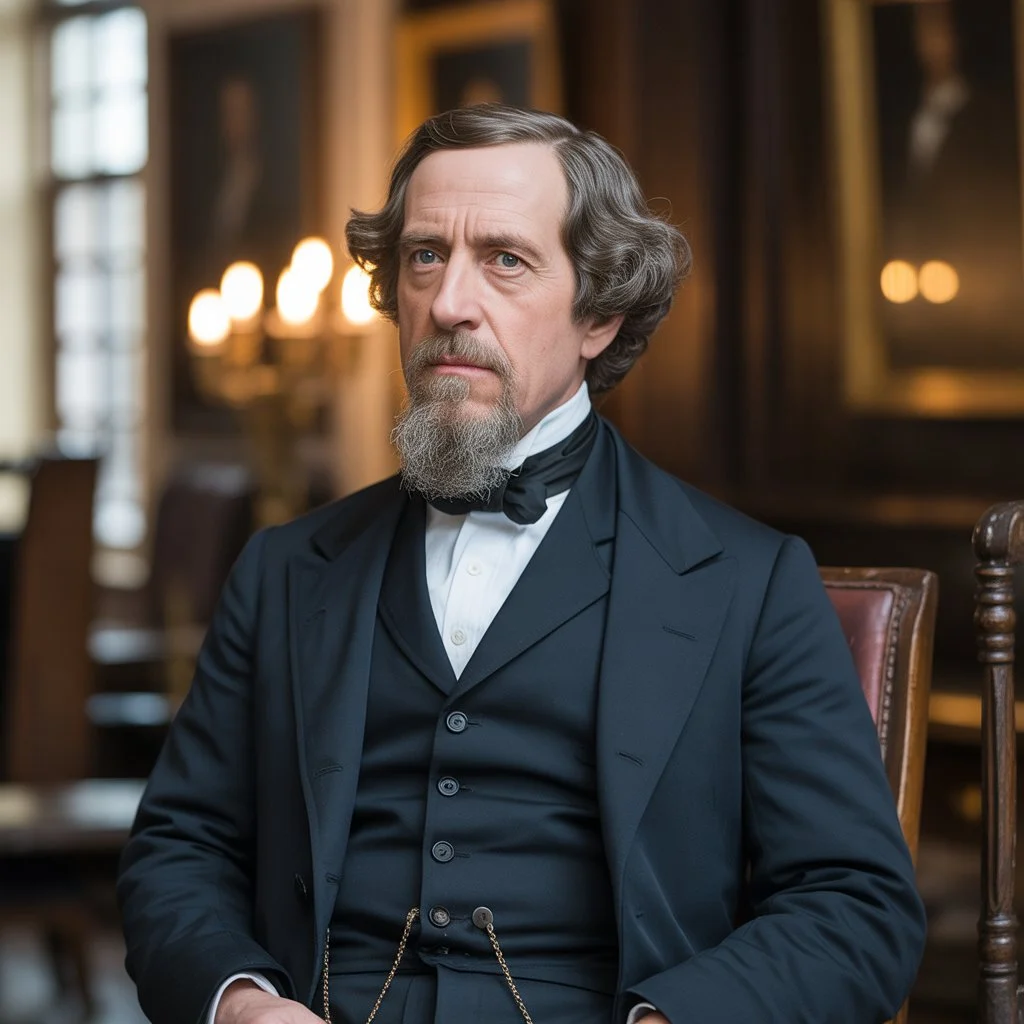
Charles Dickens was a legendary English novelist and social commentator known for his timeless storytelling and deep understanding of human nature. His works continue to inspire writers and readers worldwide, shaping literature, culture, and modern narrative craft.